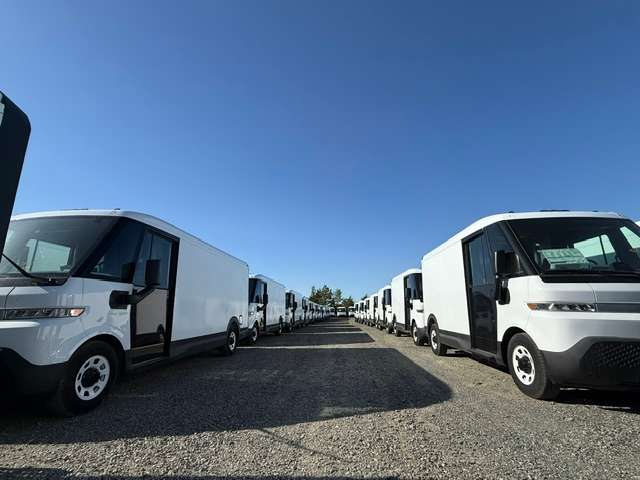
Broward's business EV landscape is logistics and trades: distribution along I-595, Port Everglades traffic, and hundreds of service fleets running the suburbs. This is how mobile fleet charging works here, and when it honestly beats building depot infrastructure.
Broward County's commercial EV adoption is happening in yards and lots, not showrooms: delivery vans staging off State Road 84, AC and pool-service trucks electrifying one replacement cycle at a time across Davie and Pompano Beach, port-adjacent operators testing electric box trucks near Port Everglades. Rapid Charge EV's fleet service exists for exactly this layer of the county, and the Broward version has its own operating logic.
Broward's commercial EV landscape
Three clusters define it. The logistics spine runs I-595 and State Road 84 from the port to the western distribution parks, last-mile delivery, wholesale distribution, and the freight-adjacent businesses that feed Port Everglades. The trades layer spreads across the whole county: electricians, pool services, pest control, and landscaping fleets headquartered in Oakland Park, Davie, and Pompano Beach industrial strips, electrifying van by van. The corporate layer sits in the Sawgrass corridor and Plantation office parks, where company vehicles and employee EVs share the same underbuilt lots.
What unites them: vehicles that earn money by moving, parked overnight in lots that were never wired for charging, owned by businesses that did not budget an electrical construction project into the EV transition.
How mobile fleet charging works here
The anchor pattern is the overnight depot cycle: the charging truck visits your yard during the dead hours, works through the fleet in sequence, and the vehicles roll out charged at 6 AM. No installation, no permits, no panel upgrade, no waiting on a utility service request. For Broward's leased-yard operators, who cannot build infrastructure on property they do not own, this is often the only workable model.
Around the anchor: route-based top-ups for vehicles that stage predictably away from the yard (a job-site cluster in Weston, an airport-area staging lot), and surge support for the days when the schedule outruns the battery, event weeks, peak season, a downed depot charger. The full service shape lives on our fleet charging service page; capability specifics (every US connector, DC fast delivery) match what our equipment walkthrough documents.
If you run a Broward fleet and want to test the model, the practical first step is one overnight visit on a trial basis: call (954) 278-4454 and walk the dispatcher through your yard location, vehicle count, and rollout time. The trial tells you more than any brochure.
When mobile beats building, honestly
Installed depot charging wins at sustained scale on owned property: if you control the real estate, run high fixed mileage, and will operate electric for years, build eventually. Mobile wins everywhere the build does not pencil: the 12-to-18-month gap while your installation clears Broward permitting and FPL service upgrades; leased yards and short-term leases; fleets still in pilot phase where committing capital to infrastructure before committing to the vehicles is backwards; seasonal surges; and overflow beyond whatever you did install.
Plenty of Broward fleet engagements are explicitly transitional, mobile carries the fleet until the depot build finishes, then drops to a backup role. We would rather tell you that on day one than pretend the service replaces infrastructure it does not.
What an engagement looks like
A walkthrough call: yard address, vehicle list and connectors, rollout schedule, and the charge targets each route actually needs.
A pilot window: typically a week of overnight visits to calibrate timing and sequence against your real operation.
A standing cadence: nightly, alternating nights, or weekly depending on duty cycle, with a named dispatch contact on both sides.
Flex handling: text-level adjustments for holiday schedules, added vehicles, or surge weeks; no renegotiation theater.
Duty cycles we see across Broward, and what fits each
The trades fleet, AC, pool, pest, electrical, runs the county's most chargeable pattern: vans out by 7 AM from a Davie or Oakland Park shop, 80 to 140 miles of suburban stops, home by 5 PM. One overnight yard cycle covers it entirely, and the vans never see a public charger. This is the profile where delivered charging is simply the answer, not a bridge.
Last-mile delivery off the I-595 corridor runs hotter: higher daily mileage, tighter rollout windows, occasional mid-day returns. The overnight cycle anchors it, with a staging-lot top-up layered in for peak season, the December weeks when routes stretch past the battery's comfortable day.
Corporate and property-management fleets in the Sawgrass and Plantation office belts run light, predictable miles, often the same loops weekly. These fleets typically land on alternate-night or weekly cadences, and their real gain is administrative: no charging logistics for anyone on staff to own.
Port-adjacent operators around Port Everglades and Dania Beach are the emerging case: electric box trucks on drayage-adjacent and provisioning runs, heavy miles, hard schedules. Most are piloting, which is exactly the phase where mobile service carries the experiment without capital risk, and the cadence conversations there are the most engineering-flavored we run in the county.
The questions Broward operators ask first
Can the visit work around our security and insurance rules? Yes, and the scoping call exists partly for this: yard access protocols, certificate-of-insurance exchanges, and after-hours contact chains all get settled before the first truck rolls. Operators with gated yards in Miramar or alarm-monitored lots in Pompano Beach run the same arrangements as everyone else, with one extra paragraph in the setup notes.
What happens when a route runs long and a van misses the overnight window? The sequence flexes: late arrivals get caught on the truck's second pass or the next visit, and chronically late vehicles usually signal a cadence that needs tuning rather than a failure. The arrangement serves the operation's reality, not its org chart, and the dispatchers have seen every version of a Broward schedule slipping sideways through I-595 traffic.
The Broward fleet bottom line
This county's commercial EV growth is bottlenecked by lots, not vehicles, and delivered charging un-bottlenecks it without capital or construction. For operators along I-595, around the port, or across the trades suburbs, the question is rarely mobile versus depot forever; it is mobile now versus parked vans now. The wider county context lives in our Broward mobile charging guide, and the event-surge variant of fleet work is covered in our events charging post.
If you want your Broward fleet charged overnight without building anything, call Rapid Charge EV at (954) 278-4454 or email support@myrapidchargeev.com. We dispatch across Broward, Miami-Dade, and Palm Beach 24/7.
Frequently Asked Questions
Can mobile charging cover a Broward fleet's overnight depot cycle?
Yes, that is the core fleet pattern: trucks visit your yard or lot during the overnight window and bring the fleet to target charge before the morning rollout. Davie, Sunrise, and the I-595 corridor yards are typical settings. The arrangement scales from three vans to several dozen vehicles across multiple visits.
What about vehicles that can't come back to the yard mid-day?
Route-based top-ups handle that: the charging truck meets your vehicles where they stage, a job site in Pembroke Pines, a staging lot near the airport, and tops them mid-shift. It works best for fleets with predictable staging patterns rather than fully random routes.
When does installing depot chargers beat mobile service?
Honestly: when you own the property, run high daily mileage per vehicle, and plan to operate the fleet for years. The break-even favors installed infrastructure at sustained scale. Mobile wins during the install gap, for leased yards where you cannot build, for seasonal or variable fleets, and as overflow when the depot chargers are outnumbered.
Which Broward business areas do you serve?
All of them: the I-595/State Road 84 logistics corridor, Port Everglades-adjacent yards in Fort Lauderdale and Dania Beach, the Sawgrass corporate parks in Sunrise, trades shops across Davie, Pompano Beach, and Oakland Park, and corporate campuses in Plantation and Miramar.
Jacksonville moves freight: JAXPORT terminals, rail, and distribution parks ringing I-295. As those fleets electrify, mobile charging keeps them rolling without a depot construction project. Call (954) 278-4454.
Miami-Dade runs the densest delivery and rideshare economy in Florida. Mobile fleet charging keeps its commercial EVs working without depot construction. The local B2B picture. Call (954) 278-4454.
Palm Beach's business fleets are service fleets: property management, clubs, hospitality, contractors. Mobile charging keeps them electric without anyone building a depot. Call (954) 278-4454.