Rivian Battery Guide: R1T and R1S Packs, Specs, and Charging
Rivian owners drive trucks with packs half again larger than most EVs, which changes every charging calculation: overnight Level 2 math, DC fast session length, and how far a rescue charge goes when a trail day or towing job drains the battery early.
Rivian built its reputation on adventure trucks, and the R1T and R1S carry some of the largest batteries sold in America to back it up. This guide explains how those packs are built, what each configuration actually holds, and what Level 1, Level 2, and Level 3 charging deliver on a truck this size. If a towing job, trail day, or Alligator Alley crossing ever drains the pack faster than planned, our emergency mobile EV charging service dispatches to you 24/7. Save (954) 278-4454 first.
How Rivian Builds Its Batteries
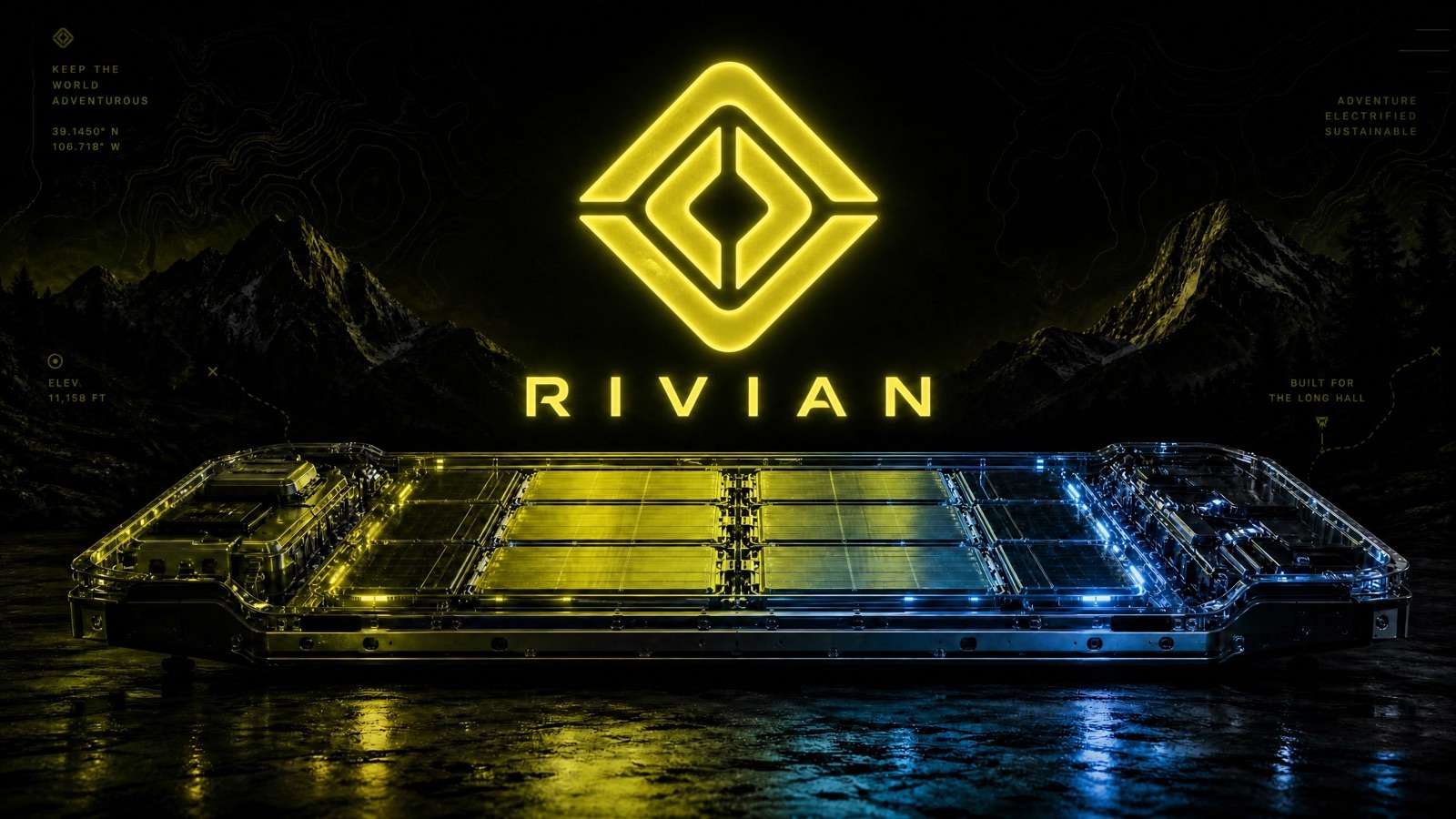
Rivian's packs sit as a flat skateboard between the axles, built around two cell strategies:
Cylindrical 2170 cells power the Large and Max packs, using nickel-rich chemistry for maximum energy density. Thousands of cells sit in modules bathed by a liquid cooling system sized for towing loads and desert heat.
LFP (lithium iron phosphate) chemistry powers the Standard pack on second generation trucks. LFP holds less energy per pound but tolerates daily 100 percent charges and long cycle life, a smart fit for commuters.
A structural redesign in the second generation packs reduced parts and weight, part of why newer R1 trucks charge faster and range further than the originals.
Rivian Battery Specs by Configuration
Standard pack: roughly 93 kWh usable (LFP), around 270 miles of range.
Large pack: roughly 109 kWh usable, around 330 miles.
Max pack: roughly 141 kWh usable, up to about 420 miles in the most efficient configurations.
All figures are approximate as of the 2026 model year and vary with wheels, motors, and drive modes.
Level 1 Charging: Barely Moves the Needle
A 120 volt outlet feeds a Rivian roughly 1.4 kW, about 2 to 4 miles of range per hour. Against a 141 kWh Max pack, Level 1 is a trickle: an overnight session recovers maybe 30 miles. It will keep a parked truck topped up at the airport, and that is about all.
Level 2 Charging: The Overnight Workhorse
R1 vehicles carry an onboard AC charger rated around 11.5 kW. On a 48 amp home circuit that is roughly 16 to 25 miles of range per hour, which comfortably refills a day of normal driving overnight but takes a Max pack most of a night and morning from near empty. Owners without home charging lean on our scheduled home EV charging service, which brings the charge to the driveway on a routine.
Second generation R1 trucks peak at roughly 220 kW on DC fast charging, enough to add about 140 miles in 20 minutes when the battery arrives warm and low. Because the packs are so large, the 10 to 80 percent session runs 35 to 45 minutes, longer than a car with the same charging rate. Rivian's move to the NACS port opens Tesla Superchargers alongside CCS stations, which matters on I-95 and the Turnpike where stalls fill up fast.
One honest caveat: towing a boat to the ramp or running heavy trails can cut range by a third or more. The drivers who get surprised are usually the ones doing something the range estimate never planned for. Our complete mobile charging guide covers how a bridge charge works when the math fails.
What This Means for South Florida Rivian Drivers
Rivians are everywhere from Weston horse country to Davie ranch roads, and hurricane season adds a wrinkle: those outlets in the bed can run a fridge for days, making a charged R1 a rolling generator. Our hurricane prep guide for Florida EV owners walks through keeping the pack full when a storm spins up.
If the pack ever hits zero somewhere a flatbed would struggle to reach, call Rapid Charge EV at (954) 278-4454 or email support@myrapidchargeev.com. We dispatch across Broward, Miami-Dade, and Palm Beach 24/7.
Frequently Asked Questions
How big is a Rivian battery?
As of the 2026 model year, second generation R1T and R1S packs span roughly 93 kWh usable in the Standard pack, about 109 kWh in the Large, and about 141 kWh in the Max, delivering roughly 270 to 420 miles of range depending on configuration.
How fast can a Rivian charge?
On DC fast charging, second generation R1 vehicles peak at roughly 220 kW, adding up to about 140 miles in 20 minutes under ideal conditions. On Level 2 AC, the onboard charger accepts about 11.5 kW, roughly 16 to 25 miles of range per hour.
Does Rivian use the Tesla plug?
Yes. Rivian switched to the NACS charge port on newer R1 vehicles and provides adapters, giving access to the Tesla Supercharger network alongside CCS stations. Mobile charging services that carry both NACS and CCS connectors can serve any Rivian either way.
Can a mobile charging service reach a Rivian on a job site or trail?
Yes. Because mobile units carry their own energy, they can charge a Rivian in a driveway, a job site in Southwest Ranches, or a boat ramp parking lot, anywhere a truck can safely park in Broward, Miami-Dade, or Palm Beach County.
From the affordable Equinox EV to the 200 kWh Silverado EV, Chevy's Ultium batteries scale like Lego. Here is how the packs are built, what each model holds, and how fast they really charge. Call (954) 278-4454.
BMW's i4, i5, i7, and iX share one battery philosophy. Here is how the Gen5 packs are built, what each model carries, and what Level 1, Level 2, and DC fast charging actually deliver. Call (954) 278-4454.
The Spectre is Rolls-Royce's first electric car, and its battery does something no other EV pack does: it doubles as sound insulation. Here is how it is built and how it charges. Call (954) 278-4454.